Introducing our invited speakers for APSS 2027:

Mark Lyte
Mark Lyte is a Full Professor and W.E. Lloyd Endowed Chair in the Department of Veterinary Microbiology and Preventive Medicine at the College of Veterinary Medicine, Iowa State University in Ames, Iowa, USA. He earned his M.S. and Ph.D. degrees in Biophysics and Cellular Immunology at the Weizmann Institute of Science and holds clinical board certification as a medical laboratory scientist. He had been mainly involved in human disease until joining the Iowa State University College of Veterinary Medicine in 2015.
Work from Prof. Lyte’s laboratory has provided the initial and continuing results demonstrating the ability of microorganisms, especially probiotics, to produce and recognize neurochemicals that are capable of influencing host health, behavior, and disease pathogenesis in farm production animals and humans. His lab is recognized as the first to publish evidence of a microbiome-gut-brain axis based on shared neurochemistry between microbes and the host. His work has resulted in the creation of a new translational scientific discipline uniting the fields of neurobiology and microbiology that has been termed Microbial Endocrinology.
He holds a number of patents utilizing Microbial Endocrinology to design probiotics that benefit animals with an emphasis on poultry. Prof. Lyte is the recipient of awards including the Zoetis Award for Veterinary Research Excellence, Joseph Susman Memorial Award for Surgical Infectious Disease Research by the Surgical Infection Societies of North America and Europe and was a finalist for the National Institutes of Health Director’s Pioneer Award.

Rosemary Walzem
Rosemary Walzem, R.D., Ph.D., is Professor of Nutrition and Poultry Science at Texas A&M University whose career has centered on advancing the science of poultry nutrition, metabolism, and physiology. Her research integrates nutritional biochemistry, lipid metabolism, and poultry biology to address fundamental questions with practical relevance to animal agriculture and human health. Through studies of egg composition, lipid transport, laying hen and breeder nutrition, and metabolic regulation, she has helped expand understanding of how nutrition influences poultry performance, product quality, and the nutritional value of eggs.
Since joining Texas A&M University in 1999, Dr. Walzem has maintained an active program of research, teaching, and graduate mentorship while fostering collaborations across disciplines and with industry partners. Her work has been supported through competitive funding from federal agencies, commodity organizations, and industry, resulting in a sustained record of scholarly publications and scientific leadership.
Dr. Walzem has educated undergraduate and graduate students in poultry science and nutrition, mentoring numerous M.S. and Ph.D. graduates who now serve in academia, government, and the animal agriculture and food industries. Her approach to science emphasizes integration across disciplines and translation of basic discoveries into applications that benefit poultry production and human nutrition.
Her expertise in poultry nutrition and metabolism has earned national recognition, including selection by the National Academies of Sciences, Engineering, and Medicine to serve on the expert committee preparing the 10th Revised Edition of Nutrient Requirements of Poultry. This invitation reflects the confidence of the scientific community in her ability to evaluate emerging evidence and contribute to the development of authoritative guidance that will shape poultry nutrition research and practice for years to come.

Steven Ricke
Dr. Steven C. Ricke received his B.S. and M.S. from the Univ. of Illinois, Champaign-Urbana, IL. and Ph.D. from the Univ. of Wisconsin, Madison, WI. Dr. Ricke was a USDA-ARS postdoctorate in the Microbiology Department at North Carolina State Univ. then joined Texas A&M Univ. as a professor in the Poultry Science Dept.
In 2005, he became the first holder of the new Donald “Buddy” Wray Endowed Chair in Food Safety and Director of the Center for Food Safety at the University of Arkansas (UA) and was a faculty member of the Dept. of Food Science and Cellular and Molecular Graduate program. He served as Director of the Meat Science and Animal Biologics Discovery Program in the Animal and Dairy Sciences Dept. at the University of Wisconsin-Madison from 2020 to 2025 he is currently a Professor in the Animal and Dairy Sciences Dept.
From 2015 to 2017 he served as an American Society for Microbiology (ASM) Distinguished Lecturer. He is a Fellow of the Poultry Science Association (PSA), the International Association for Food Protection and the ASM American Academy of Microbiology. His PSA awards include American Egg Board Research Award, Evonik Award for Achievement in Poultry Science, National Chicken Council Broiler Research Award, Arm & Hammer Food Production Food Safety Award, and the US Poultry Distinguished Poultry Industry Career Award. Dr. Ricke’s foodborne research projects have emphasized studies on the growth, survival, and pathogenesis of pathogens in the poultry gastrointestinal tract and their interactions with the GIT microbiota. He is also exploring using the microbiome to characterize microbial ecology of meat and poultry processing.
Birger Svihus
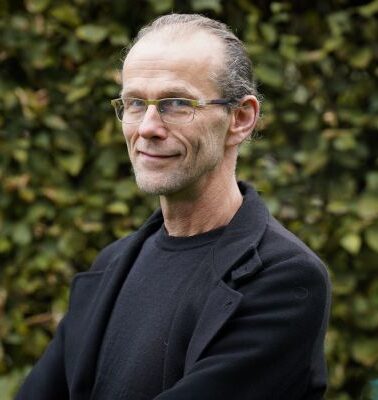
Birger Svihus is a Professor of nutrition at Norwegian University of Life Sciences. He is the author or co-author of around 100 peer-reviewed scientific papers (H-index 41) and is the author of or contributor to several books and numerous invited conference papers. His scientific work has mainly been within the area of cereal fibre and starch, feed technology, digestive tract function and feeding systems.
He had a leading role in the organisation of the 14th European Symposium on Poultry Nutrition (2003) and the 14th European Poultry Conference (2014), and was the president of the European Federation of WPSA from 2014 to 2018. From 2016 through 2021, he was Editor-in-Chief in British Poultry Science.

Jaap van Milgen
Jaap van Milgen is a senior researcher at INRAE, the French National Research Institute for Agriculture, Food and Environment. After having received an MSc-degree from Wageningen University, he received a PhD-degree in ruminant nutrition from the University of Illinois at Urbana-Champaign. In 1992, he returned to Europe, first on a post-doctoral position followed by a permanent position at INRAE. He developed an extensive research program on the energy and protein nutrition and metabolism of pigs, using both experimental and modeling research methods.
He co-authored the InraPorc model and software tool, which is widely used in the swine industry and to teach nutritional principles. In 2010, he led the merger of three INRAE research units to a joint research unit, of which he was director for six years. From 2015-2020, he coordinated the European Feed-a-Gene project, which aimed to adapt the feed, the animal, the feeding techniques to improve the efficiency and sustainability of monogastric livestock production systems. From 2021 to 2026, he coordinated PIGWEB, a European infrastructure project for experimental research for sustainable pig production. He chairs the animal consortium that publishes the scientific journals animal, animal – open space, and animal – science proceedings. In 2021, he received the prestigious Leroy award from the European Federation of Animal Science and in 2025 the INRAE award for innovation in research.

Eugeni Roura
Professor Eugeni Roura is a veterinary nutritionist with core research interests in digestive physiology and gut health, chemosensory science (including taste and smell) and transgenerational mechanisms relevant to chickens, pigs and humans. He holds a Veterinary and PhD degrees from the Autonomous University of Barcelona, complemented with a MPhil and post-doctoral appointments at the University of California, Davis.
Following a sixteen-year career in the feed and food industries, Professor Roura joined The University of Queensland in 2010, where he currently leads the Nutrition & Chemosensory Science Group. His primary research interests include appetite modulation in chickens and pigs, nutritional interventions to boost embryonic and foetal development (including “in ovo” techniques), and strategies to improve the sustainability of chicken meat, egg, and pork production. Additionally, his current research in human nutrition investigates food allergies and appendicitis.
A lecturer affiliated with the UQ School of Biomedical Sciences, Professor Roura has supervised 25 PhD graduates (18 as Principal Advisor) and authored more than 100 peer-reviewed publications. He has been a keynote speaker at over 50 national and international scientific meetings and is currently ranked within the top 0.5% of scientists globally in Animal Science and Zoology.
Professor Roura holds several high-level leadership positions, serving as President of the WPSA Australia, Vice-President of the Australasian Pig Science Association, and Director of the AgriFutures Chicken Meat Consortium. He is also a member of the National Committee for Nutrition (Australian Academy of Sciences) and the Federation of Oceania Nutrition Societies (FONS). In 2024, he was the recipient of the Nutrition Society of Australia Medal.

Rebecca Forder
Dr Rebecca Forder is currently a Senior Lecturer in the School of Animal and Veterinary Sciences (SAVS) at The University of Adelaide. Dr Forder has a great passion for teaching and encouraging undergraduates to pursue careers in the poultry industry.
Her research interests relate to gastrointestinal development and physiology as a means to enhance lifelong productivity of animals in intensive farming systems, with a particular focus on poultry.
Dr Forder’s interests have expanded into the area of developmental programming and how the maternal environment influences gastrointestinal development and microbial colonisation of their progeny. Her recent research projects focuses on the breeder hen environment and novel strategies to improve the health and performance of not only the hen but that of her progeny.

Roy Brister
Dr. Roy Brister is a strategic poultry advisor for Alltech, harnessing more than three decades of experience in the industry. His focus is on supporting sales and technical teams, bridging the gap between suppliers and poultry integrators, and driving new research. He is also passionate about creating actionable steps that help the poultry industry meet its sustainability goals.
Brister began his career as a technical nutritionist at Nutrius Inc., Diamond Shamrock and later Spring Valley Farms, the latter of which was acquired by Tyson just months after he joined. His 37 years at Tyson Foods included roles as director of nutrition and feed milling.
Brister specializes in nutrition and feed milling management. He is particularly interested in growth modeling as an innovative technology that can help producers achieve increased efficiency and sustainability. He is also interested in alternative ingredients that support circular nutrition and utilizing data to guide critical decisions.
When:
3 Day Conference
Monday 1st – Wednesday 3rd February, 2027
Symposium Dinner
Tuesday 2nd February, 2027
Where:
3 Day Conference
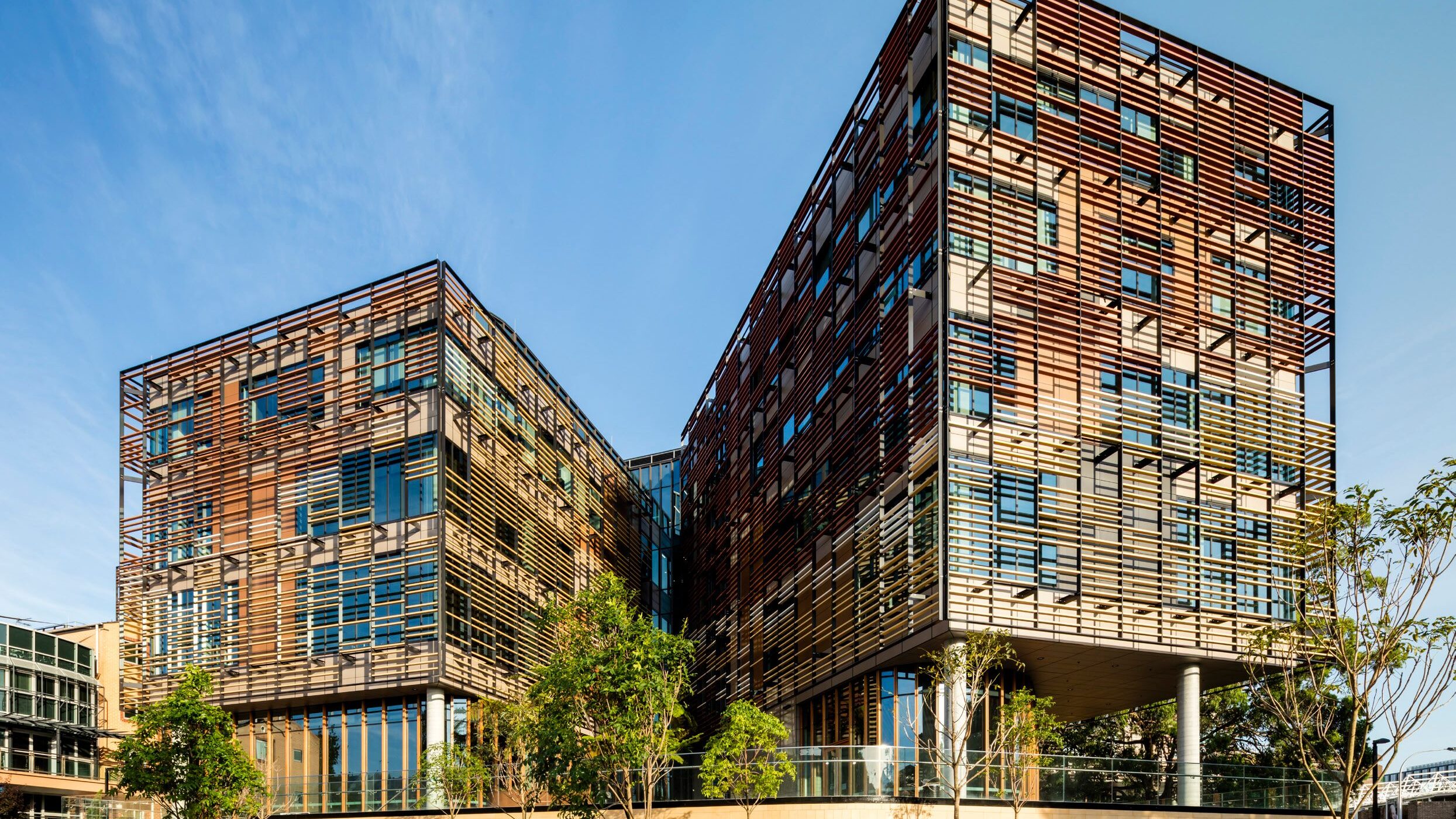
University of Sydney Business School – Belinda Hutchinson Building (H70)
Symposium Dinner
The Deckhouse – Woolwich

2027 Sponsors
Diamond:

Platinum:
Gold:





Silver:




Bronze:




Item Sponsorship: